Source Ready To Eat Instant Rice For Disaster Relief And Camping
Find 30 ready to eat instant rice options from verified manufacturers. Compare specifications like capacity, power sources, and certifications for disaster relief, fieldwork, and outdoor applications. These products include self-heating features and various packaging types suitable for emergency food supply needs.
Key considerations
Products List


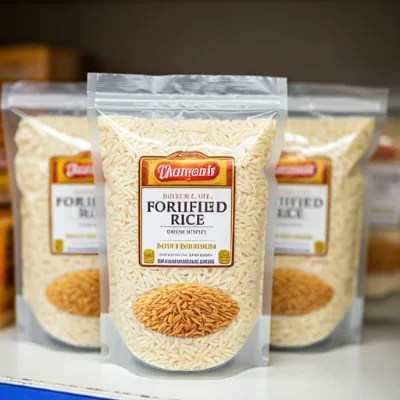

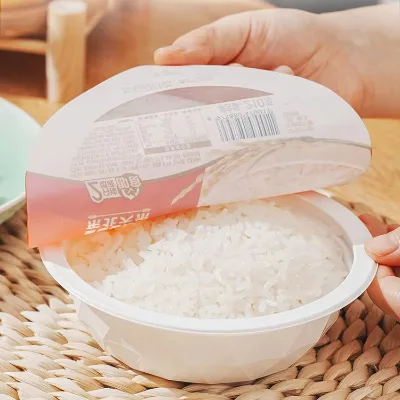
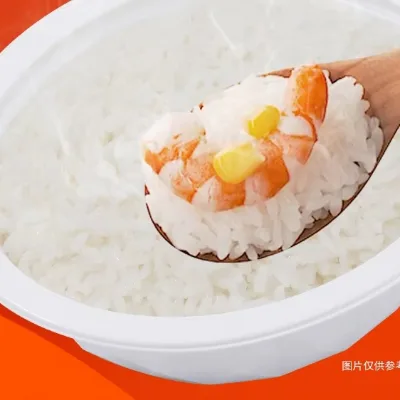
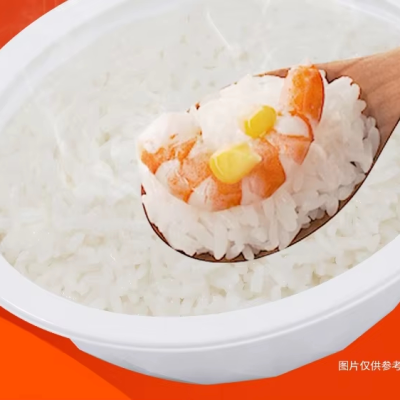
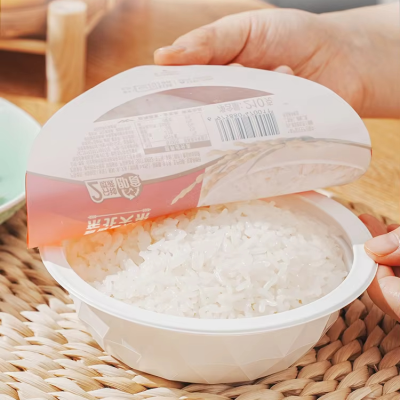
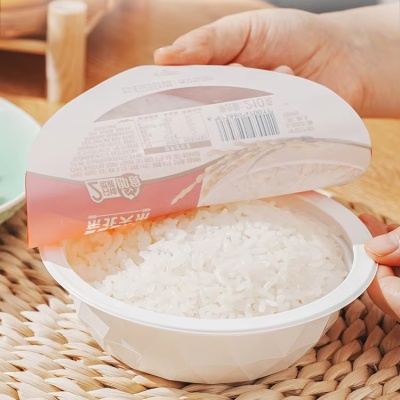


Comprehensive Sourcing Guide
Ready to Eat Instant Rice Sourcing Guide
Procuring ready-to-eat instant rice requires distinguishing between specialized extrusion equipment and the final packaged food products, as the supply chain involves distinct manufacturing stages. Buyers must first clarify whether they are sourcing the machinery to produce artificial rice kernels or the finished disaster relief and camping food items. The observed market data indicates a wide spectrum of offerings, ranging from industrial double screw extruders with Siemens motors to fully packaged self-heating instant food solutions. Understanding this distinction is critical for aligning procurement goals with the correct supplier category and technical requirements.
The sourcing landscape presents significant variation in product capacity and raw material inputs, necessitating a precise definition of operational needs before engaging vendors. While some listings highlight machinery capable of processing broken rice at rates up to 3000kg per hour, others focus on the final product's caloric content and storage stability. Buyers should verify if the supplier provides the complete production line or merely the end consumer goods, as this determines the required capital investment and logistical complexity. Clear communication regarding the intended application, such as fieldwork or retail distribution, ensures the selected solution matches the specific operational constraints of the buyer.
Product Scope and Observed Listing Signals
The product scope for ready-to-eat instant rice encompasses both the industrial machinery used for extrusion and the final packaged food items designed for immediate consumption. Listings frequently describe double screw extruders featuring modular alloy screws and stainless steel barrels, which are essential for transforming raw materials like broken rice into artificial rice kernels. These machines often operate with fully automatic PLC control systems and utilize various heating sources including electricity, gas, or steam to ensure consistent processing quality.
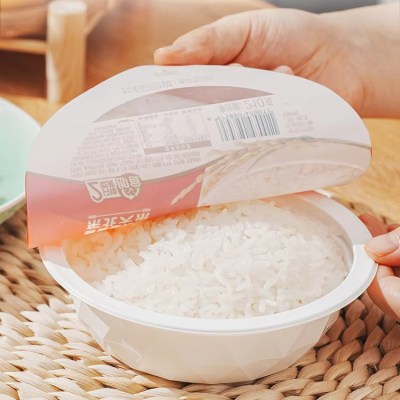
In contrast, the finished product listings emphasize convenience and nutritional value, often marketed for disaster relief, camping, and outdoor fieldwork applications. These ready-to-eat foods typically come in plastic film packaging within containers or fumigated wooden cases, with a shelf life suitable for normal temperature storage in cool, dry places. The observed data suggests a total caloric content of approximately 1435kcal for specific self-heating variants, highlighting their role as high-energy sustenance. Buyers must carefully evaluate whether their procurement strategy targets the manufacturing equipment or the final consumer-ready inventory to avoid confusion in supplier selection.
Technical Specifications to Verify
When evaluating extrusion machinery, buyers must verify critical technical parameters such as voltage requirements, motor specifications, and production capacity ranges. The observed listings indicate a standard voltage of 380V and the frequent use of Siemens motors, which are crucial for maintaining high efficiency during the mixing, extrusion, drying, and cooling flowchart. It is essential to confirm that the main machine is a double screw extruder with a modular design that allows for easy replacement of alloy screws and stainless steel barrel linings.
For the finished food products, technical verification should focus on packaging integrity, storage methods, and nutritional specifications. Buyers need to ensure the packaging material is suitable for long-term storage and that the product meets the required caloric density for its intended use in emergency or outdoor scenarios. The production models, such as the AHE78H or AHT series, offer different capacity ranges from 100 to 5000kg per hour, which must align with the buyer's projected output needs. Additionally, confirming the heating temperature adjustability and the specific raw material compatibility, such as nutrition-enriched rice, ensures the final product meets quality standards.
Compliance and Safety Documentation
Compliance and safety documentation are paramount when sourcing either the manufacturing equipment or the final food products, as both sectors are subject to rigorous international standards. For the machinery, certifications such as CE and ISO are frequently observed, indicating adherence to safety and quality management systems. Buyers should request proof of these certifications to ensure the equipment meets the regulatory requirements of their target market and operates safely under industrial conditions.
For the ready-to-eat food items, the supply chain must demonstrate compliance with food safety standards including BRC, FDA, HACCP, and ISO certifications. These documents verify that the production process, from raw material sourcing to final packaging, adheres to strict hygiene and safety protocols. Buyers must verify that the supplier can provide valid certificates for the specific product batch, especially since the items are often used in critical situations like disaster relief. Ensuring that the packaging materials and the final product meet these standards is essential for maintaining consumer trust and regulatory compliance in global markets.
Cost Drivers and Commercial Terms
Cost drivers for ready-to-eat instant rice procurement are heavily influenced by the complexity of the machinery or the value-added nature of the finished food products. For extrusion equipment, factors such as the brand of the motor, the material quality of the screw and barrel, and the automation level of the PLC system significantly impact the price. The observed price range spans from $0.15 to $108,500, reflecting the vast difference between individual components or small-scale units and complete industrial production lines.
Commercial terms for finished food products are driven by packaging requirements, shelf-life guarantees, and the specific application, such as self-heating capabilities. Buyers should negotiate clear terms regarding the minimum order quantity, which can range from 1 to 1000 units, and the delivery lead time, typically observed between 1 to 3 months. It is crucial to clarify whether the price includes export packaging in wooden cases or plastic film containers, as these logistics costs can vary significantly. Understanding these cost structures helps buyers budget effectively and avoid unexpected expenses during the procurement process.
Supplier Qualification and Quality Control
Supplier qualification for this sector requires a thorough assessment of their manufacturing capabilities, brand reputation, and ability to provide customized solutions. Many suppliers, such as those associated with the Shandong Arrow brand, offer OEM and ODM services, allowing buyers to tailor products to specific market needs. Buyers should verify the supplier's experience in producing double screw extruders or ready-to-eat foods, ensuring they have a track record of delivering high-efficiency products that meet international standards.
Quality control measures must be integrated into the procurement process to ensure consistency and reliability. For machinery, this involves inspecting the condition of the equipment, verifying the new status, and testing the operation of the fully automatic PLC system. For food products, buyers should request samples to test the texture, taste, and nutritional content, ensuring they match the advertised specifications. Establishing a clear quality assurance protocol, including regular inspections and adherence to the specified production standards, is essential for maintaining the integrity of the supply chain.
Long-Term Procurement Checks
Long-term procurement checks should focus on the supplier's ability to maintain consistent quality, provide after-sales support, and adapt to changing market demands. Buyers need to assess the supplier's capacity to handle large-scale orders and their ability to deliver within the specified lead times consistently. Regular audits of the production facility and quality control processes help ensure that the supplier continues to meet the required standards over time.
Additionally, buyers should monitor the supplier's inventory management and storage methods to prevent any degradation of the product quality. For food products, verifying that the storage method remains at normal temperature in a cool, dry place is critical for maintaining freshness and safety. Establishing a long-term partnership with a reliable supplier who offers customization and supports the buyer's growth ensures a stable supply of ready-to-eat instant rice for future needs.
FAQs
What raw materials are used for artificial rice production?
The production uses broken rice, whole rice, and nutritional additives as primary raw materials. These ingredients are processed through a mixing and extrusion flowchart to create artificial rice kernels suitable for various applications.
Which certifications do the extruder machines typically hold?
Machines often carry CE and ISO certifications for safety and quality compliance. Some product lines also include BRC, FDA, and HACCP certifications to ensure the final food products meet international safety standards for consumption.
Can the production capacity be customized for different needs?
Yes, customization is available to match specific production requirements. The equipment offers a capacity range from 100 to 5000 kilograms per hour, allowing manufacturers to scale operations based on their specific output goals and facility size.
What is the lead time for delivery of these machines?
The standard delivery time ranges from one to three months after order confirmation. This timeline accounts for manufacturing, quality checks, and packaging in export wooden cases or fumigated free wooden cases for safe international shipping.
How is the main machine controlled during operation?
The system operates fully automatically using a PLC control system. This setup ensures precise management of the extrusion process, heating temperature, and screw speed for consistent production of high-efficiency artificial rice kernels.
What motor brands are used in the extruder equipment?
Siemens motors are commonly used for the main drive and inverter systems. These components ensure reliable performance and energy efficiency, with some configurations specifying Siemens China motors for the main extrusion function.
Which specifications are available for the artificial rice models?
Available models include AHE78H, AHE90H, AHE120H, and AHT series variants like AHT70 and AHT120. These specifications define the screw design, barrel material, and overall capacity to suit different production scales and product types.
What is the storage method for the finished instant rice?
Finished products should be stored at normal temperature in a cool, dry place. This storage method preserves the freshness and quality of the ready-to-eat food, ensuring it remains suitable for disaster relief, camping, or daily consumption.